
How to Verify Legal Access and Easements Before Buying Rural Land in Arizona
How to Verify Legal Access and Easements Before Buying Rural Land in Arizona
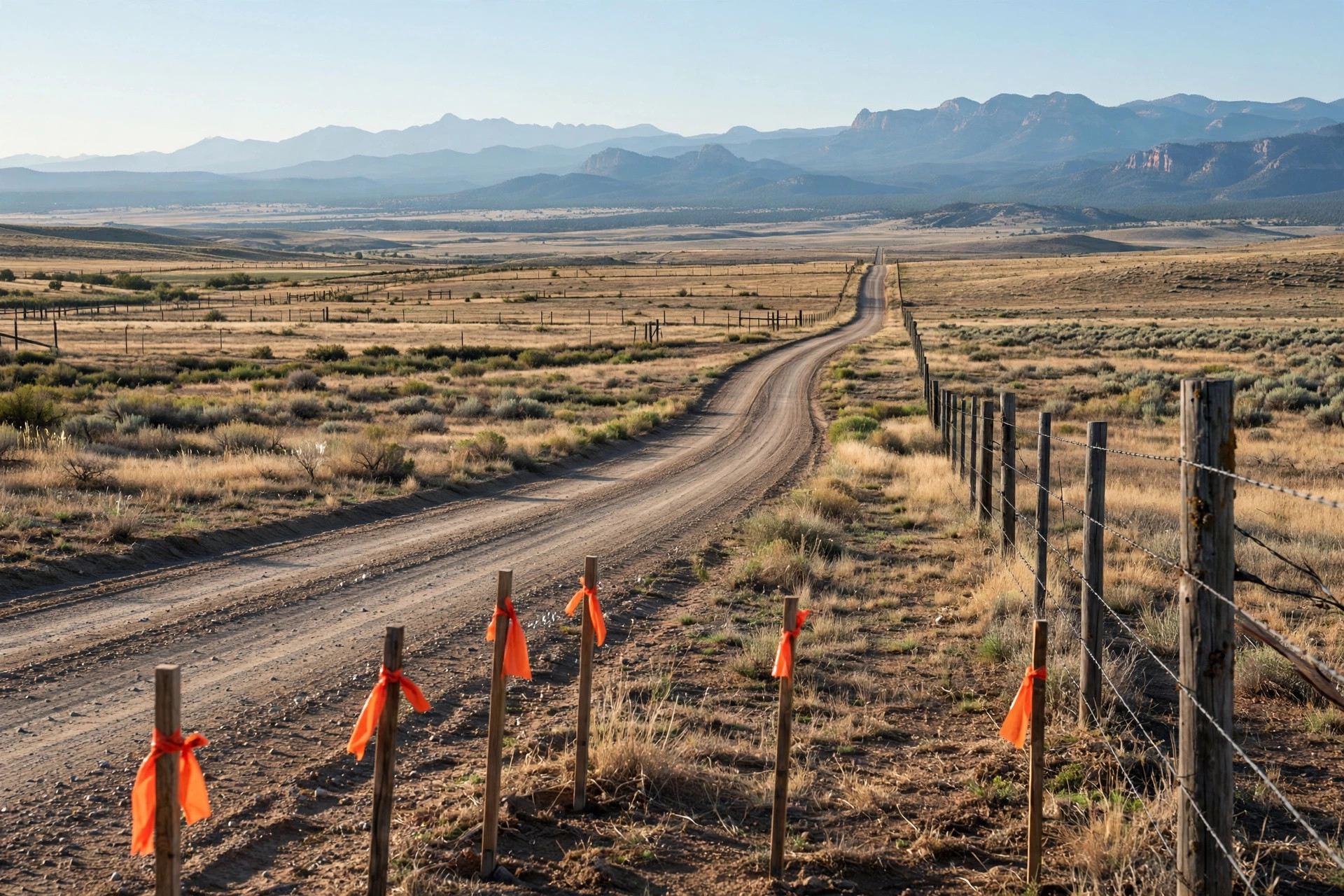
A gravel road that ends at a gate proves very little. Dust on your tires does not create a right to be there. Many first-time buyers spot a lovely parcel, drive in without trouble, and assume the road is theirs to use. Most times it is. Sometimes it crosses a neighbor’s land with no recorded permission at all. Anyone studying how to buy off grid land in Arizona should treat legal access as the first item on the checklist, not the last. We wrote this guide to show the checks that protect your money and your plans.
Why Legal Access Matters More Than the View
Access decides what you can do with a parcel. Lenders, insurers and county offices all ask how you reach the property. Without a clear answer, a building permit, a loan or a future resale can stall.
Rural lots carry extra risk. Many were divided decades ago, and some old roads were never put on paper. Before you remote land Arizona sellers advertise, expect the paperwork to matter more than the scenery.
Physical Access Versus Legal Access
What Physical Access Means
This is the road you can actually drive. It covers surface type, washouts, gates and seasonal conditions. A high-clearance vehicle may handle it in June and fail in February.
What Legal Access Means
This is the recorded right to use that road. It might be a public road, a dedicated right-of-way or a written easement. Physical access without legal access is borrowed access, and borrowed access can be withdrawn.
Seven Checks Before You Commit
- 1. Read the Title Commitment Closely: Ask the title company for the commitment early. Look at the exceptions section, where easements and restrictions are listed. Then ask the company directly whether the policy covers access to the parcel.
- 2. Pull the Recorded Documents: The county recorder holds deeds, easements and plats. Request copies of every document mentioned in the commitment. Reading a summary is not the same as reading the real paper.
- 3. Study the Plat and Parcel Map: Compare the plat with county mapping tools. Check whether the road shown on the map matches the road on the ground. Gaps between the two are common in older subdivisions.
- 4. Find Out Who Maintains the Road: Some ranch communities run a road association with yearly dues. Others rely on informal agreements among neighbors. Ask for the written terms, the current dues and the boundary of the maintained section. A parcel just outside that boundary may need a separate membership.
- 5. Check Any Crossing of Public or Trust Land: Checkerboard ownership is common in northern Arizona. If the route crosses State Trust Land, permission must come from the Arizona State Land Department. Federal land follows its own rules. Never assume a shared boundary means shared use.
- 6. Order a Survey: A licensed survey places corners, road centerlines and easement strips on the ground. It also reveals encroachments. Paying for one before closing costs far less than a boundary dispute after it.
- 7. Drive the Route Yourself: Walk the last stretch if the road is rough. Note gates, cattle guards, washes and steep grades. Photograph everything, then compare what you saw with the documents.
Easement Types Buyers Often Meet
Easements come in several forms, and each one affects ownership differently.
- Express easement: written, signed and recorded. This is the strongest form.
- Easement by necessity: may arise when a parcel has no other way out. Proving it can take legal effort.
- Prescriptive easement: created through long, open use. It can be contested in court.
- Utility easement: reserves a strip for power or water lines. It may limit where you build.
- Shared road agreement: spells out cost sharing and repair duties among neighbors.
Red Flags Worth a Pause
Some signs call for a closer look before any money changes hands.
- The seller cannot name a recorded easement.
- The title commitment lists access as an exception.
- A neighbor’s gate stands across the only route.
- The road on the map differs from the road on the ground.
- Maintenance terms are verbal only.
Questions to Ask the Seller or Agent
A good agent answers these without hesitation.
- 1. Is the road public, private or part of an association?
- 2. Where is the recorded easement, and who holds it?
- 3. What are the yearly maintenance costs?
- 4. Has the access ever been disputed?
- 5. Can we see the documents before the due diligence period ends?
Build Access Protections into the Purchase Agreement
A purchase contract can do more than set a price. Buyers who buy land Arizona sellers list in rural areas can add a contingency that ties closing to proof of legal access. If the title commitment, survey or recorded documents fail to confirm a usable route, the buyer may withdraw and keep the earnest money.
Timing matters here. Due diligence periods run on a calendar, and records requests can take several days. Start the document review in the first week, not the last. If a gap appears, ask the seller to record a new easement or correct the deed before closing. Put every promise in writing, since verbal assurances rarely survive a change of ownership.
Conclusion
Good land deserves a clean path to it. Reading the title commitment, checking county records, confirming maintenance terms and walking the route turn a hopeful guess into a documented fact. Buyers who take these steps usually sleep better and build with more confidence.
We are not attorneys, so involve a real estate attorney or title professional for final review. At Arizona Land Off Grid, we help buyers through this process, from reading access records to scheduling showings on parcels near Ash Fork, Seligman and Williams. If remote land in Arizona is what you are after, we are ready to help you start with the documents, not just the view.
FAQs
1. What is the difference between legal access and physical access?
Physical access means you can drive to the parcel. Legal access means you hold a recorded right to use the route. A buyer needs both before closing.
2. Can I buy remote land in Arizona without a recorded easement?
It is possible, but risky. Without a recorded right, lenders, insurers and permit offices may hesitate. A title professional can explain the options for a specific remote land Arizona parcel. It is illegal to land lock any property in Arizona
3. Who pays for road maintenance on ranch parcels?
It depends on the area. Some ranches use a Property Owners Association with annual dues, while others rely on Road Owner Agreements.
4. What documents should I request before I buy land in Arizona?
Ask for the title commitment, recorded easements, the plat map, road association terms and any survey. Usually provided during your due diligence period. Reviewing these documents is a core part of how to buy off grid land in Arizona with confidence. Consult your realtor with questions pertaining to before buying.