
Off-Grid Homesteading in Arizona: The Beginners Guide
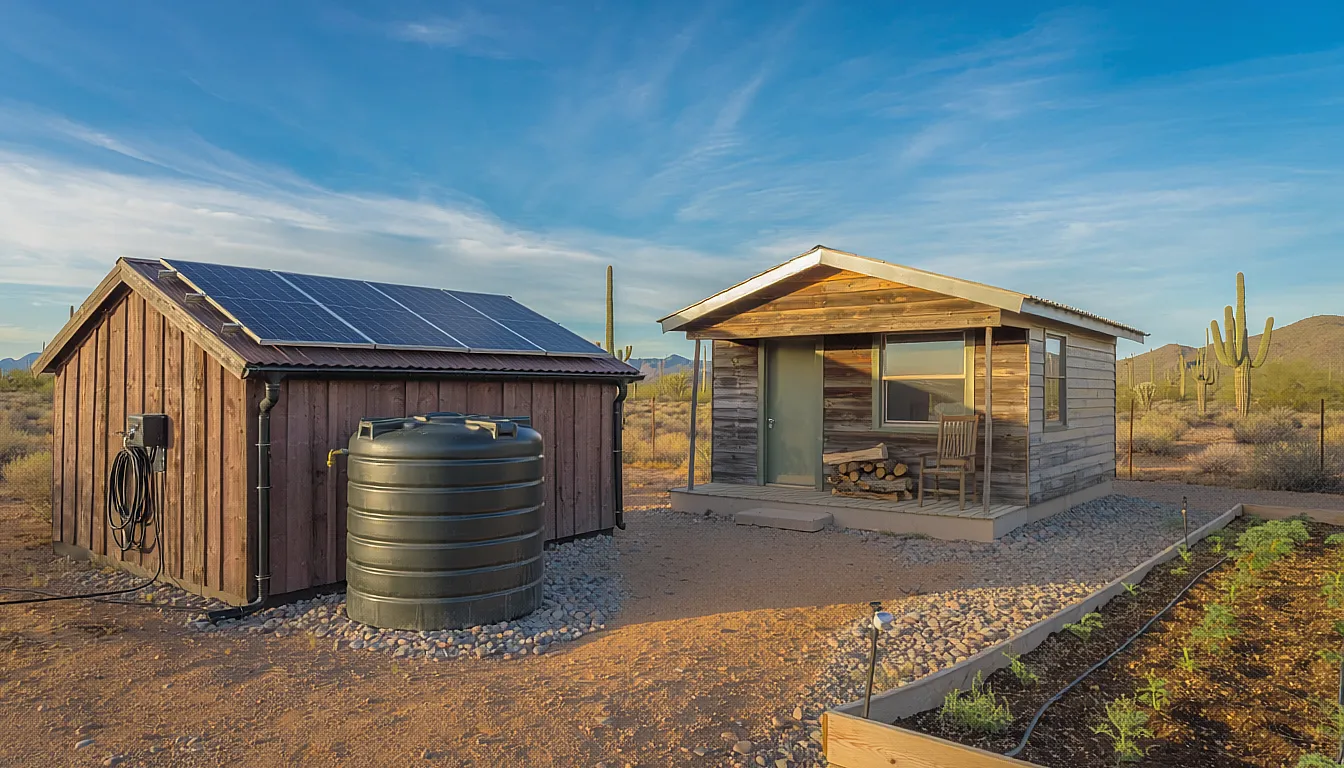
Explore Arizona Land Off-Grid
Looking for Available Acreage in Arizona?
Browse our current selection of off-grid land parcels or get in touch with our team directly to discuss what you're looking for.
Off-Grid Homesteading in Arizona: The Beginners Guide
My neighbor's uncle bought 15 acres parcel outside Ash Fork for less than the price of a used truck. An unimproved lot, off the grid, with no utility hookups, just dirt, junipers, and a dream. Eighteen months later he had a working well, a solar setup running his whole cabin, and a garden that somehow survived the July heat. Everyone told him he was crazy. Turns out he just did his homework first.
That's the thing about Arizona off-grid living nobody mentions upfront. It's not about roughing it or proving a point. It's about knowing which questions to ask before you hand over a check for land you have maybe seen twice.
This blog covers exactly that. Water, power, permits, real costs, and the mistakes that cost people the most time and money. No fluff, no vague inspiration talk. Just what you actually need to know before you buy.
1. Why Arizona Keeps Showing Up on Every Off-Grid List
Arizona has this weird advantage nobody talks about enough. Over 80% of the state is public or unincorporated land, and a good chunk of the private parcels sit in counties with minimal building codes. Coconino, Navajo, Apache, Mohave and Yavapai. These places don't require you to hook into a grid to get a permit.
Compare that to states like California or Oregon, where off-grid living often means fighting county inspectors for two years before you can legally sleep in your own tiny home. Arizona just isn't built that way. Land is affordable relative to other states, the sun is basically guaranteed, and the state doesn't care much what you do on five acres as long as your septic system passes inspection.
That said, cheap land isn't the same as good land. This is where most beginners get burned.
2. What "Off-Grid" Actually Means Here
People throw the term around loosely. In Arizona, off-grid usually means:
- No Utility Connection: No connection to a public utility grid for electricity.
- Alternative Water: No municipal water line, meaning you're on a community shared well water, self hauled water, or have it delivered for pennies per gallon.
- Waste Management: Often no sewer, so a septic system or composting toilet setup.
It does not mean no rules. Counties still require permits for wells, septic, and sometimes even solar setups. Ignore this step and you'll be dealing with fines instead of sunsets.
3. Choosing Land: The Part Everyone Rushes
This is the section where most first-timers mess up, and honestly, I get why. The land looks incredible in photos. Wide open sky, mountains in the distance, a price tag that feels like a steal. Then you show up and realize the "road" is actually a wash that floods every monsoon season.
Before buying Arizona homestead land, check these things in this exact order:
- Access: Is there a legal easement to the property, or does the road cross someone else's land without permission?
- Water Rights: Water rights and depth to groundwater. Some parcels in Yavapai County need wells drilled 400+ feet down. That adds a serious chunk of unplanned expense before you've even built anything.
- Zoning: Zoning and parcel size minimums. Some ranches and counties will not let you build under the set minimums. Always find out you minimum acres allowed.
4. Power Setup Without Overcomplicating It
Solar is basically the default here for good reason. Arizona gets close to 300 sunny days a year in most regions, which is about as good as it gets in the continental US for panel efficiency.
A basic starter system for a small cabin usually includes solar panels sized to your daily usage, a battery bank, and an inverter. The overall investment varies a lot depending on how much power you actually need day to day, and it's smart to size your system around real usage rather than guesswork.
One thing nobody tells beginners: oversize your battery bank before you oversize your panels. Panels are useless at 2 am when you need the fridge running.
5. Building Codes and Permits Nobody Mentions
Here's a mistake I see constantly. People assume off-grid means no permits at all. Not true. Counties like Coconino require septic permits regardless of grid status, and most require a building permit for any permanent structure over a certain square footage.
Yavapai County, for example, has gotten stricter in recent years on manufactured home placements. Always call the county planning office before buying, not after. A twenty-minute phone call can save you six months of headaches.
6. Planning Your Build Realistically
A lot of beginner guides make this whole process sound simpler than it is. A realistic approach for a starter off-grid homesteads in Arizona involves budgeting for several major pieces: the land itself, a well or water system, solar and power equipment, a septic or composting toilet setup, and a small structure or tiny home to live in.
Each of these varies widely depending on your location, acreage, and how minimal or comfortable you want to live. People who go the slowest, most incremental route, tackling one piece at a time instead of trying to build everything at once, tend to spend less overall and burn out less too.
Conclusion
Arizona off-grid living is not some fantasy lifestyle reserved for survivalists. It's a practical, achievable path for people who do their homework on water, power, and land access before diving in. The land is out there, the sun does most of the heavy lifting, and the rules are more workable than people assume.
Start slow, check every parcel carefully, and plan for the boring stuff like wells and permits before the fun stuff like solar panels. That's what separates the homesteaders who last from the ones who give up after one brutal summer.
If you're serious about finding the right piece of land to start this journey, AZ Land Off Grid can help you find parcels that actually work for off-grid living, not just ones that look good in a listing photo.
FAQs
Is off-grid living legal everywhere in Arizona?
Mostly yes, but it depends on the county. Some counties have strict zoning or minimum parcel sizes, so always check local regulations before purchasing.
How much land do I need for a self-sufficient homestead in Arizona?
Most homesteaders start comfortably on 5 to 10 acres, though larger operations for livestock or crops often need 20 acres or more.
Can I live off-grid year-round in the Arizona desert?
Yes, thousands of people do. The key factors are reliable water storage, proper insulation for extreme summer heat, and a solar system sized for your actual usage.
Do I need a well, or can I rely on rainwater alone in Arizona?
Rainwater alone is risky given the dry stretches between monsoon seasons. Most successful homesteads combine catchment with either a well or scheduled water hauling as backup.